
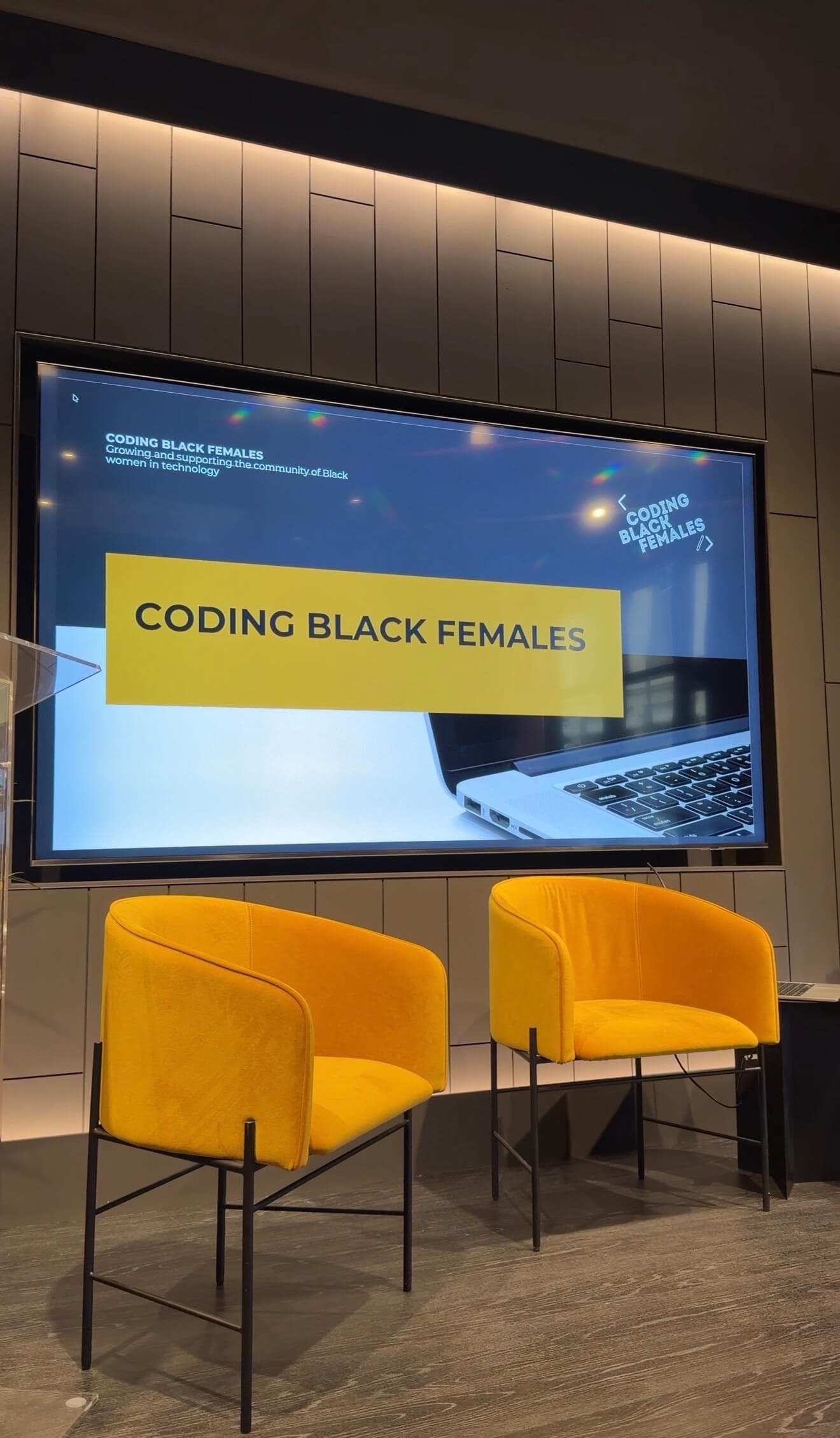
Most community events end the same way: a bag of gifts, a raffle draw, and a handful of names pulled at random. It works, but it rewards luck rather than participation. On Friday, 3 July, Coding Black Females hosted their latest meetup at Colony Workspace in Manchester, and one of their speakers had a simple observation about that model: if people are already playing and competing, why not let the game decide who walks away with the prizes?
Custom Questions for a Room That Knew the Answers
The session that day had covered connecting the dots in a career and building a portfolio career, so the organisers wanted the game that followed to feel like a continuation of that conversation, not a break from it. Using the Neegma Playground, they built a custom Odd One Out set, mixing questions about Coding Black Females itself, tech brands the room would recognise, and callbacks to the portfolio career discussion from earlier in the day.
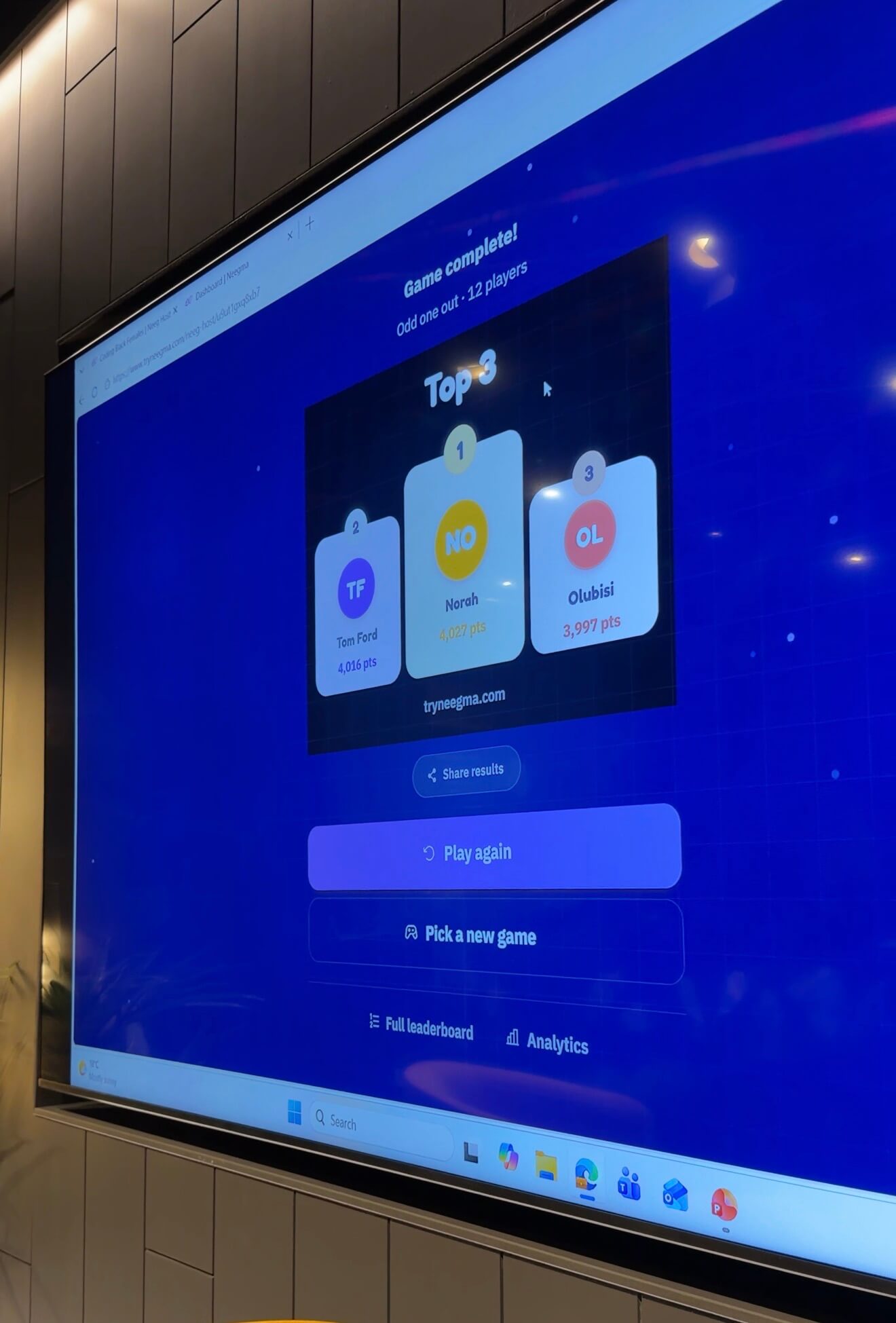
Twelve players joined the session, and every question landed with the kind of recognition that only comes from custom content. This was not a generic tech trivia deck. It was a game built around the room, for the room.
A Leaderboard That Would Not Sit Still
What made the session properly gripping was how long the lead participant held on and how fast it changed. One player sat at the top of the leaderboard from question one all the way through to question nine, building what looked like a major gap. Then question ten hit, and a completely different name jumped to first place and stayed there.
That kind of swing is exactly what a live, question-by-question leaderboard is built for. Nobody in the room was checking out early because the standings were never settled until the very last submission.
Rethinking the Raffle
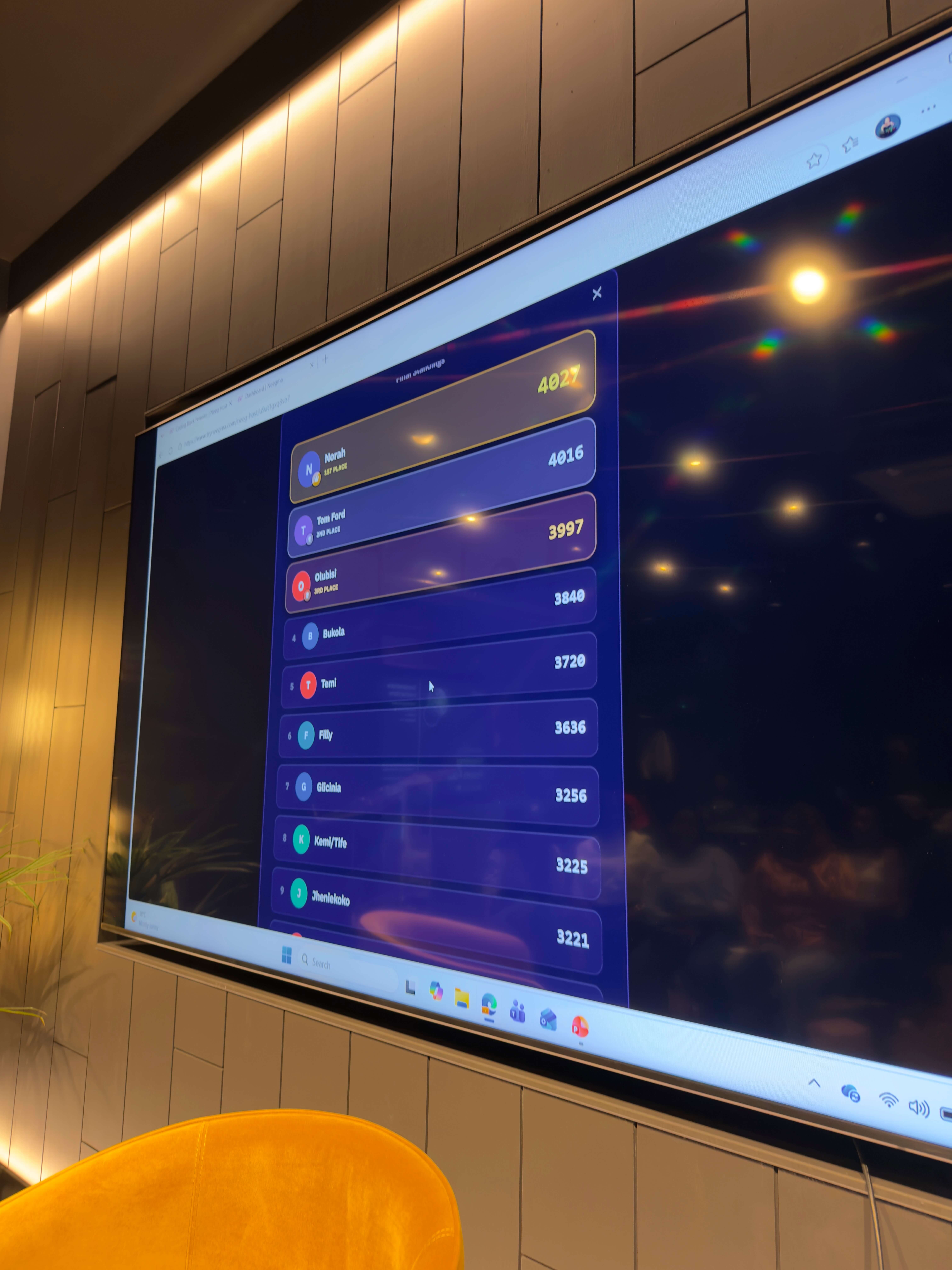
The real innovation of the day, though, was not the game itself. It was what the organisers did with it. Instead of a traditional raffle draw, where winners are picked at random regardless of whether they engaged with anything, the top five players on the Odd One Out leaderboard were the ones who received gifts.
Instead of pulling a name out of a hat, the room decided its own winners. If you showed up, played, and got the answers right, that effort was actually worth something. It felt fairer, and it made people want to play harder next time.
It is a small shift with a big effect: prizes tied to participation rather than chance make every question feel like it matters, and they give latecomers and quiet attendees alike a reason to actually pick up their phone and play.
A Model Worth Repeating
Coding Black Females showed that a game session can do more than fill a gap between talks. It can double as a fairer, more engaging way to run the part of the event everyone already loves: the giveaway. Any community or meetup organiser weighing up a raffle versus a real competition now has a clear example of how the latter can work.
If you are running a meetup, a masterclass, or a community session and want your prize-giving to reward the people actually in the room, setting it up is as simple as building a session and dropping in your questions. We walk through the process in How to create a session.
Planning your own community meetup or panel event? Explore our Events use case page and Facilitators use case page, read the Event Playbook, browse the game library, or start hosting on Neegma.